


The job prob
Forecasting your future in the job market

How can you maximize your career prospects in our fast-evolving professional world? How can you use your time at college or university to position yourself for the job market you’ll face after graduation? The Job Prob, our monthly series, guides you through the steps.
IN THIS ISSUE
How is the professional world treating new graduates, anyway? What can you expect?
NEXT MONTH
Leadership skills: What they’re worth to employers, and how to get them.
studentvoice

Rain or shine?
We’ve all heard reports of sluggish economies, slow job growth, and a bleak outlook for recent graduates. The median net worth of young adults has declined since 1977, according to a 2012 Statistics Canada report. Though your prospects vary across the country and by your intended field of study, this forecast may be unsettling to college and university students who are banking on landing that perfect (or at least decent) job after they graduate.
But your job prospects are brighter than you might have realized. While some occupational prospects have declined, the overall job market is looking up—especially for recent college graduates.
You can use your years in school strategically, acquiring the skill sets, practical experience, and networks that will position you for success in your careers.
Mostly sunny
The Canadian labour market is flourishing in comparison to other global economies, according to a 2014 report by the Department of Finance Canada. The long-term unemployment rate is lower than in the US, and the labour force participation rate remains higher, indicating that more Canadians are searching for, and finding, work. “There was a dip during the recession, but the numbers came back up and have been steady,” says Michael Bodnar, a Career Advisor at the University of Alberta in Edmonton.
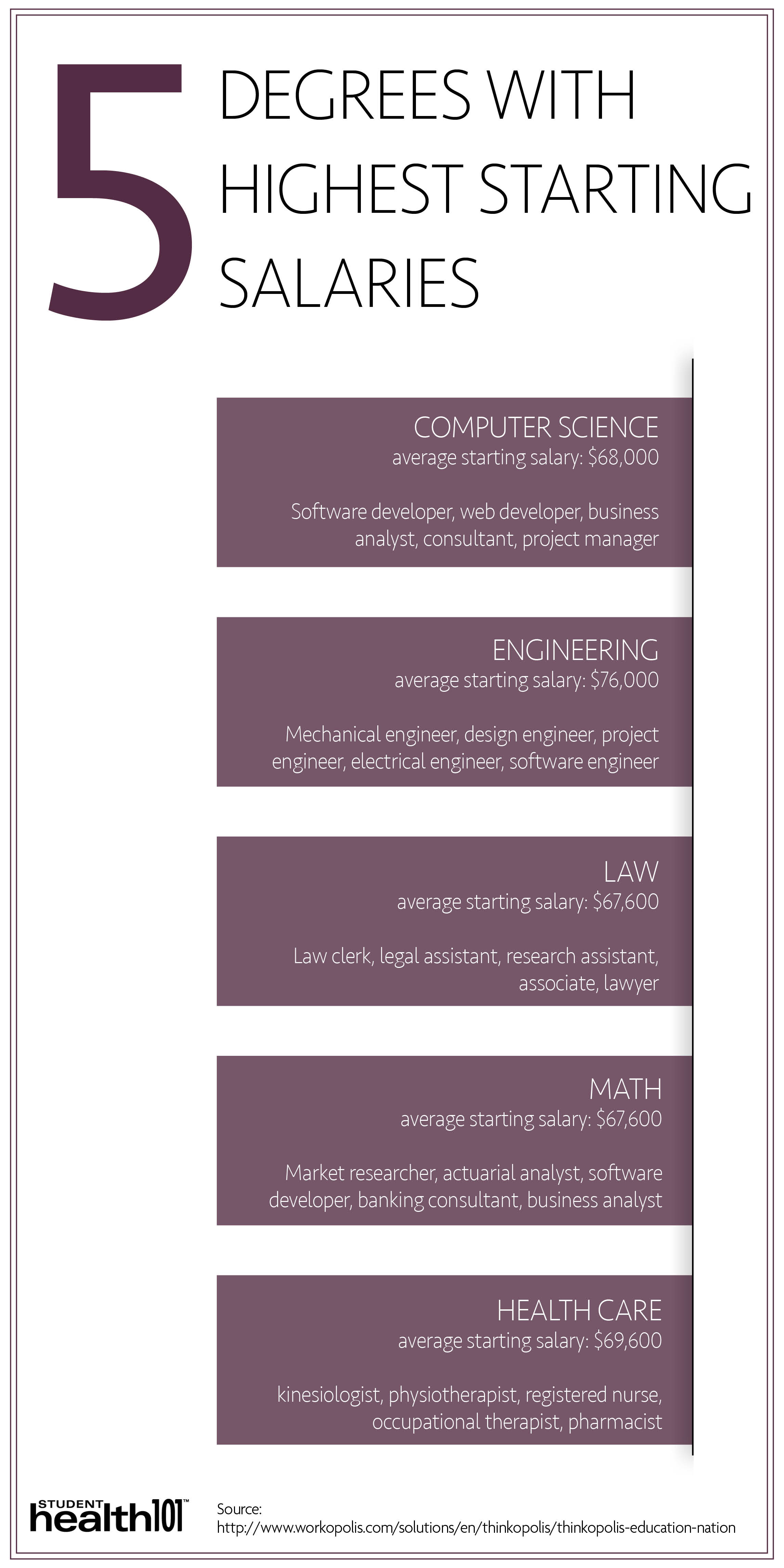
Certain fields are growing more than others and are increasingly lucrative for new graduates. Those with degrees in Human Resources, Engineering, Computer Science, Pharmacy, and Nursing are more likely to secure jobs related to their areas of study, according to a 2014 survey from Workopolis. But even if you’re on a different degree path, you can acquire skills to increase your employment prospects.
“We’re looking for great education [and] applicable work experience,” says Amy McCarroll-Mandic, an internal recruiter at Hays in Toronto, Ontario.
Employment in the industry of public administration grew more than five percent from August 2013 to August 2014, according to Statistics Canada’s Labour force survey, August 2014. This is good news for those looking to work in human resources or economics and social science services. Other growth industries include educational services and science and technology.

In case of a rainy day
There is rough weather ahead for certain occupations. Jobs in fields such as construction and agriculture have seen limited growth year over year.
Regardless of degree, recent graduates should assume that there will be a “four-to-five month window [of] job searching before they land something,” says Michelle Atkinson, a coordinator at the Career Centre at the University of Toronto at Mississauga in Ontario.
Students who are looking to round out their skill sets and improve their marketability should “get involved in university outside of classes—in club societies or leadership programs. These offerings really help students develop those outside-of-classroom skills,” says Lisa Russell, Manager of Experiential Education at Memorial University of Newfoundland in St. John’s. Overseas study experiences that demonstrate cultural awareness and competence are also valuable.
Follow The Job Prob for:
- Strategic choice of courses
- Developing leadership skills
- Practical experience
- Building your network
- Revitalizing your resumé
- Leveraging your online profile
- The job hunt
studentvoice

